.png)
Tel: +86-13761027061

E-mail: contactus@audfly.com

.png)


.png)
Confidential meetings often involve sensitive business strategies, financial information, legal discussions, or intellectual property. Protecting these conversations is essential for organizations that need to keep sensitive information private.
However, traditional privacy measures may not fully address concerns about protecting sensitive conversations in certain environments. Beyond managing access and establishing confidentiality policies, businesses may also want to explore acoustic approaches to protecting spoken information.
Looking for ways to improve speech privacy?
In business environments, sensitive information is often shared through face-to-face conversations. Board meetings, executive discussions, legal consultations, and strategic negotiations may involve information that should not be disclosed beyond the intended participants.
While confidentiality agreements and access controls help manage information security, spoken conversations can present a different challenge.
This makes speech privacy an important consideration when developing a more comprehensive approach to protecting confidential discussions.
Traditional privacy measures, such as confidentiality policies and access controls, play an important role in protecting sensitive discussions. Organizations may also explore acoustic approaches to supporting speech privacy and protecting sensitive conversations.
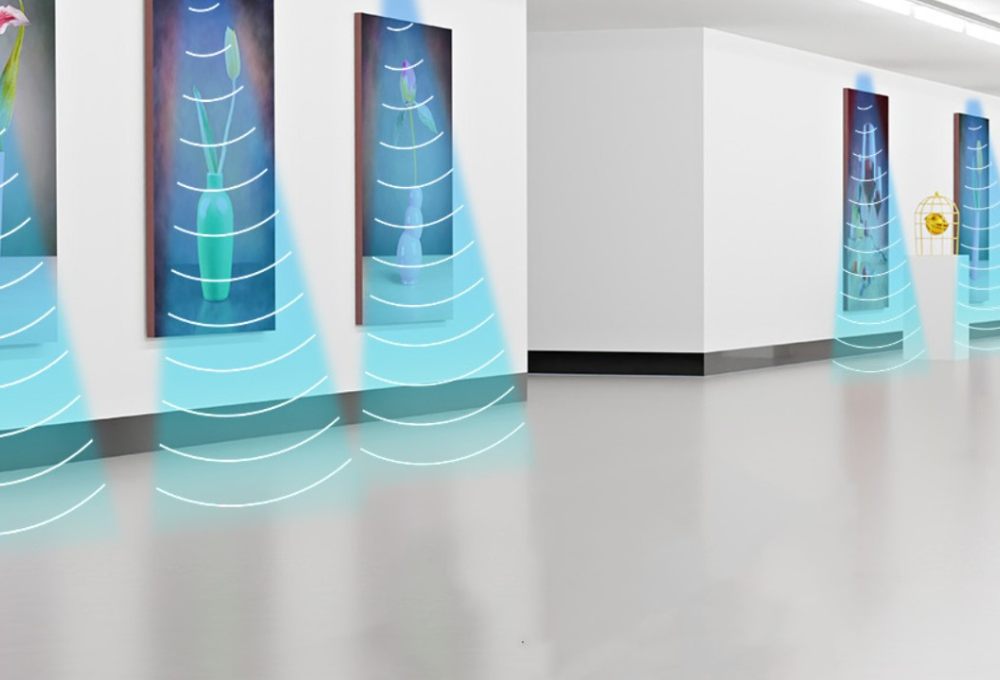
By using acoustic masking designed to reduce speech intelligibility, active acoustic privacy technology can provide an additional layer of support for confidential conversations.
For businesses handling sensitive information, this technology introduces another possibility to consider when improving speech privacy in meeting rooms.
Acoustic privacy measures may be worth exploring in environments where conversations involve sensitive or confidential information.
|
Boardrooms & Executive Offices For discussions involving business strategy and important corporate decisions. |
Legal & Consulting Meeting Rooms Where confidential client information may be discussed. |
|
Financial Institutions For meetings involving sensitive financial information. |
Research & Development Facilities Where conversations may involve proprietary technologies or intellectual property. |
In these settings, acoustic privacy technology can be considered alongside existing confidentiality practices to support the protection of sensitive spoken information.
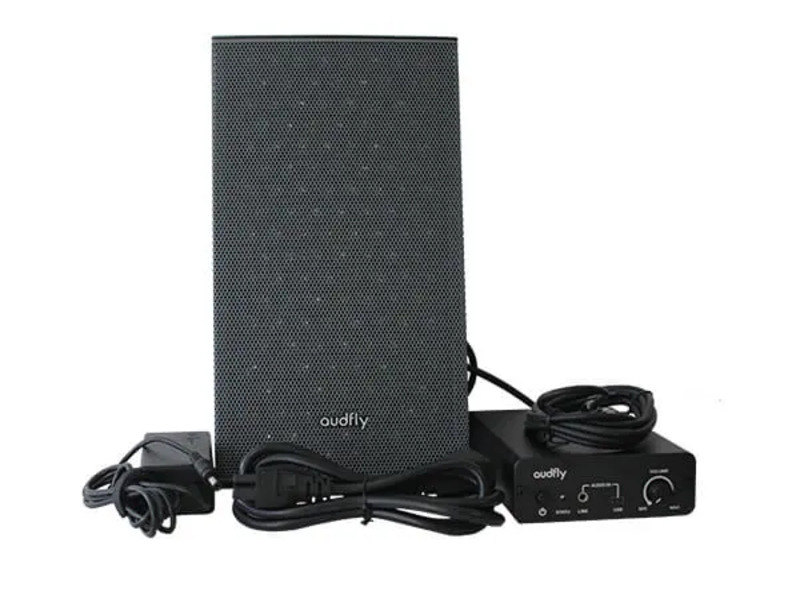
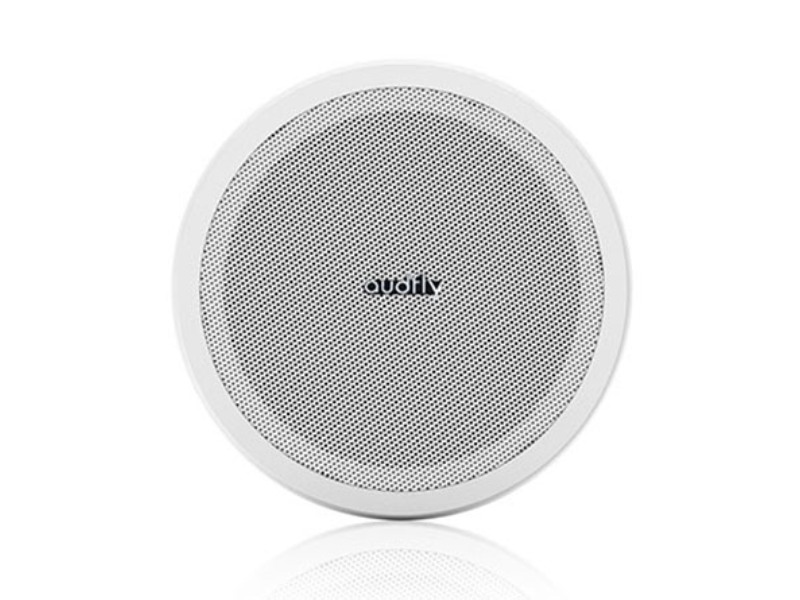
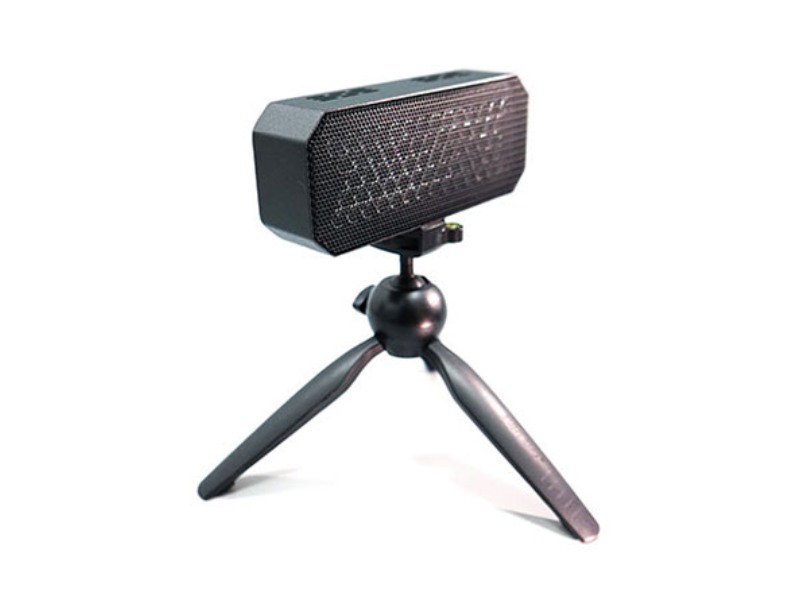
For organizations exploring acoustic approaches to confidential conversations, Audfly SonicShield offers an active acoustic privacy solution.
Designed for acoustic privacy applications, SonicShield uses acoustic masking to help reduce speech intelligibility within the intended environment. It provides an additional approach for organizations looking to strengthen speech privacy in sensitive meeting spaces.
Protecting confidential conversations involves more than controlling who attends a meeting. Organizations may also need to consider the risks associated with unauthorized recording and the protection of sensitive spoken information.
Alongside conventional confidentiality measures, active acoustic privacy technology offers another approach worth exploring. For businesses seeking additional ways to support speech privacy, solutions such as Audfly SonicShield provide a starting point for learning more about this emerging area of acoustic technology.


.png)
.png)






.png)

.png)
.png)


.png)


.png)