.png)
Tel: +86-13761027061

E-mail: contactus@audfly.com

.png)


.png)
Modern museums and galleries increasingly use audio, interactive displays, and multimedia installations to enhance the visitor experience. In open exhibition spaces, however, delivering clear audio to individual exhibits without disturbing nearby visitors can be challenging.
Audfly directional speakers create focused listening zones, allowing each exhibit to deliver its own audio content while helping maintain a quieter and more organized exhibition environment.
As museums become more interactive, multiple exhibits may need to provide audio content within the same open space. Traditional loudspeakers can make it difficult to control where sound is heard.
When multiple exhibits play audio in the same space, sound can overlap and interfere with neighboring displays, making it difficult for visitors to hear the intended content clearly.
Multiple audio sources can raise the overall noise level of an exhibition space, affecting the quiet atmosphere and reducing the quality of the visitor experience.
Some exhibits rely on headphones to deliver individual audio content. While effective, headphones can be less convenient for visitors and require additional management.
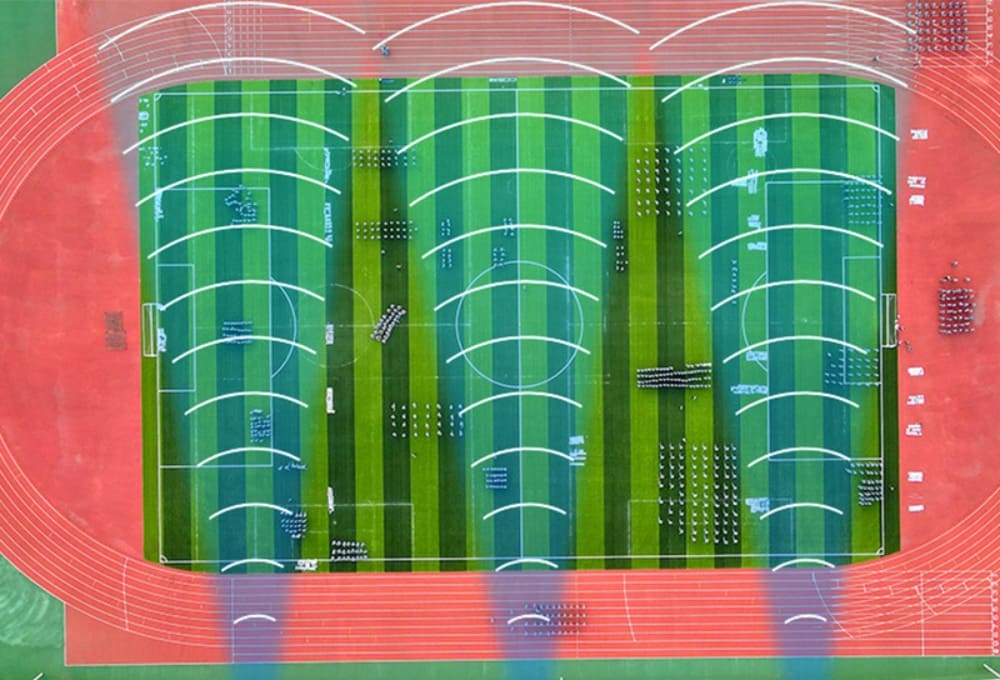
Audfly directional speakers focus sound toward a specific listening area, helping museums deliver clear exhibit-related audio without filling the surrounding space with sound.
This makes it possible to create localized listening zones around artworks, displays, interactive installations, and digital information points.
From individual artifacts to interactive digital installations, directional audio can be integrated into different museum environments and visitor experiences.
Deliver exhibit-specific audio directly to visitors without requiring headphones.
Provide historical stories, explanations, and educational content to visitors standing near an artifact.
Add audio instructions and multimedia content to kiosks without unnecessarily disturbing surrounding visitors.
Create flexible audio zones that can adapt to changing exhibition layouts and temporary installations.
Combine focused audio with video and interactive technologies to create more engaging storytelling experiences.
Instead of increasing overall volume, directional audio focuses sound where it is needed, helping museums create more controlled and personalized listening experiences.
Focus audio within a designated listening area so visitors can hear exhibit content clearly.
Help reduce unwanted audio reaching nearby exhibits and visitor areas.
Support different exhibit layouts and localized audio requirements.
Deliver relevant audio content at the point where visitors interact with an exhibit.
The right speaker depends on the exhibit layout, installation position, listening area, and content requirements.
Explore more directional speaker solutions for different museum applications and installation requirements. Explore All Products →
Audfly directional speakers have been used to create localized audio experiences for museum exhibits and interactive displays.
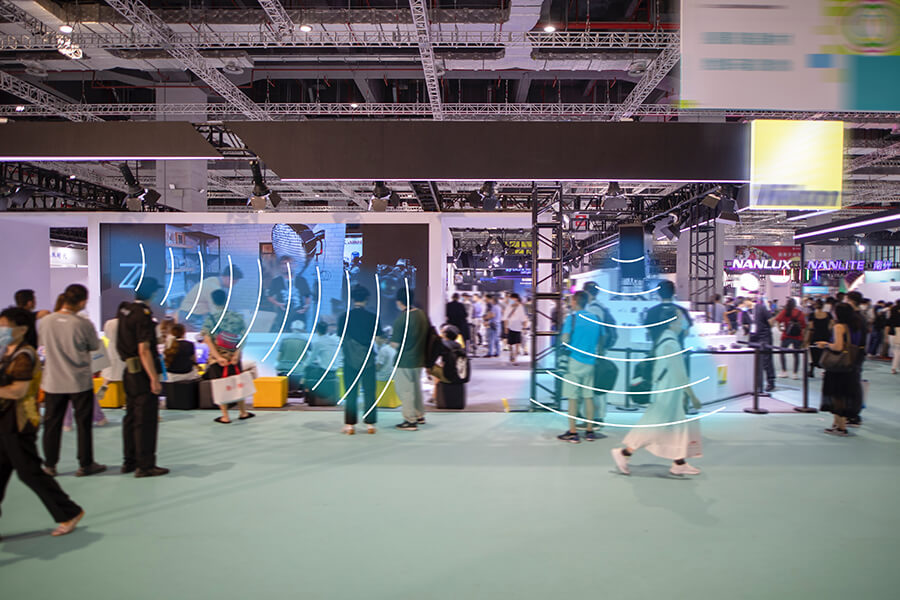
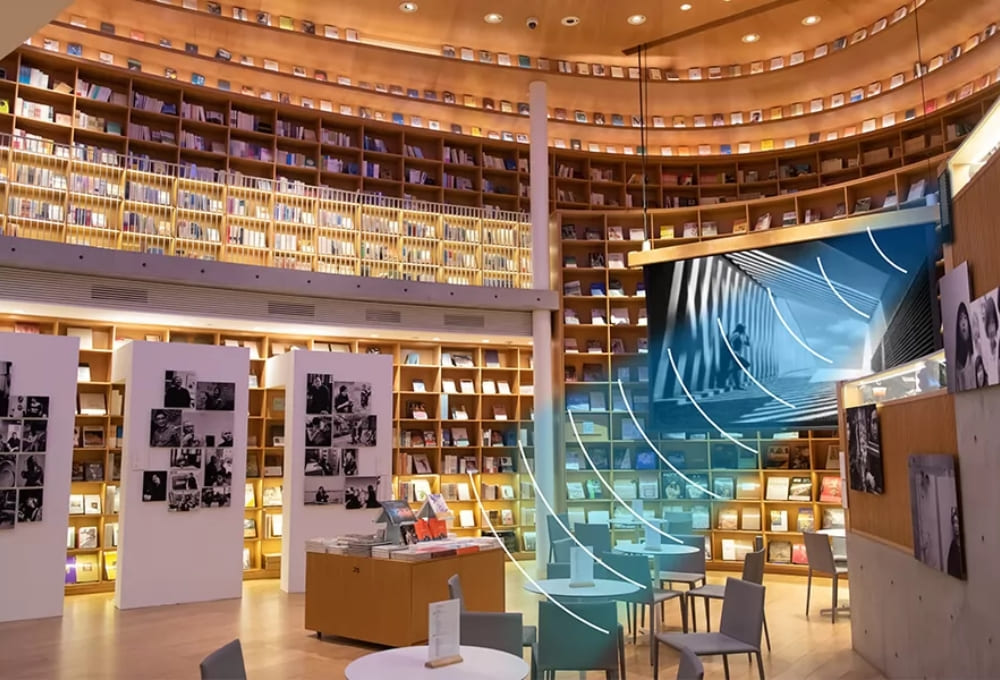
Audfly directional speakers were installed as exhibit-specific audio guides, creating independent audio zones for different exhibition areas.
View Project →Focused audio technology supports multiple interactive displays, allowing visitors to receive relevant audio content near the corresponding exhibit.
View Project →Choosing the right directional speaker starts with understanding your exhibition space and listening requirements.
Consider the size of the exhibit and the intended listening area.
Determine how far visitors will normally stand from the audio source.
Consider whether the speaker should be installed on a wall, ceiling, display, or another position.
Multiple exhibits may require separate and independently controlled listening areas.
Need help choosing the right solution for your museum? Contact Us →
They are used to provide focused audio for exhibits, interactive displays, digital kiosks, and multimedia installations while helping reduce unwanted sound in surrounding areas.
In many applications, directional speakers can reduce the need for handheld audio guides by delivering information directly at the exhibit location.
Yes. They can be used with interactive exhibits, touch-screen kiosks, and digital installations where focused audio delivery is required.
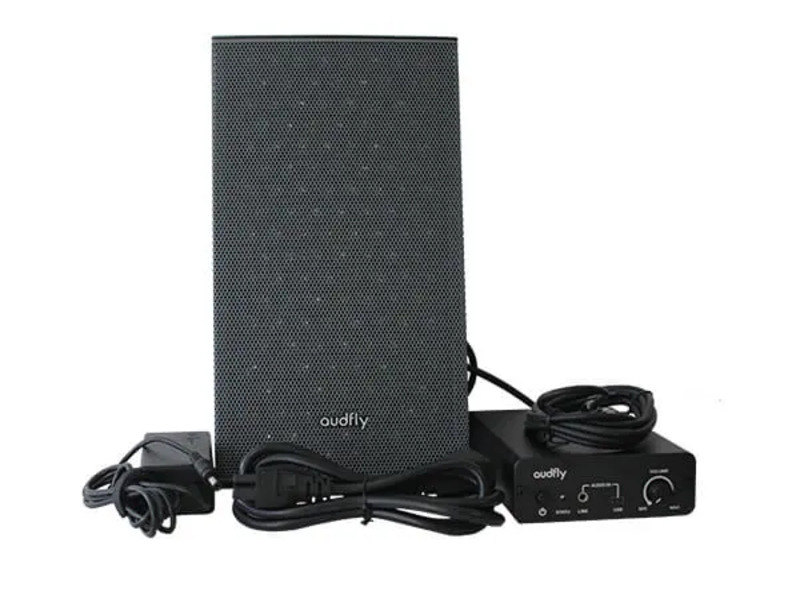
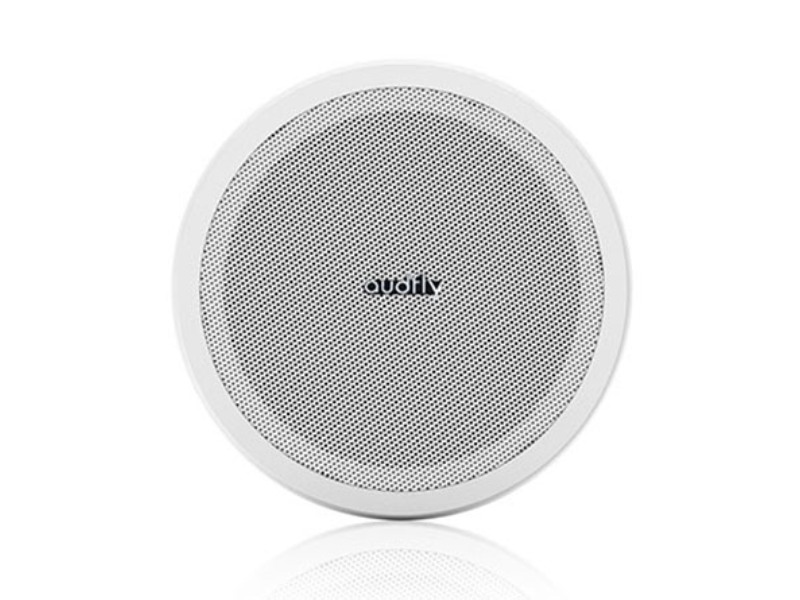
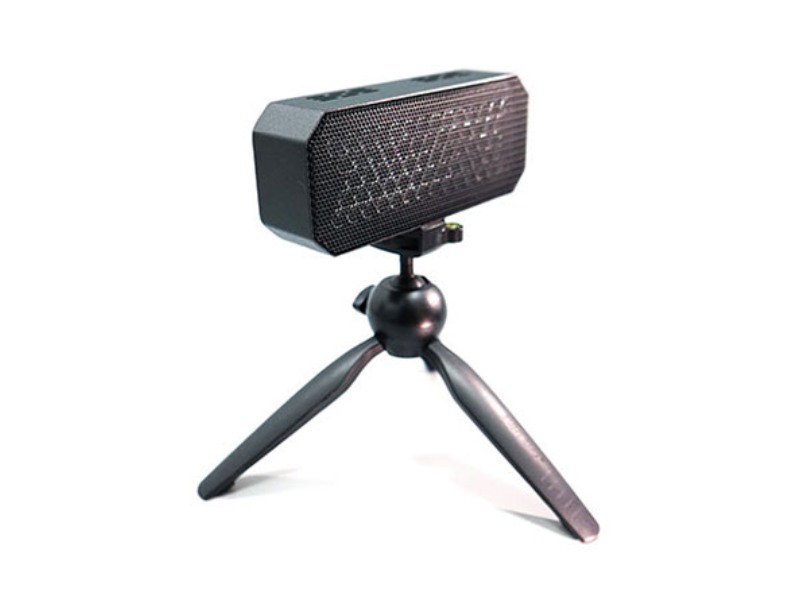
Model R, Model B, and Model L can be considered depending on the installation environment, exhibit layout, and audio requirements.
The number depends on the exhibit size, layout, listening distance, and content requirements. Each project should be evaluated according to its specific listening zones.
Tell us about your exhibition space, listening areas, and installation requirements. Our team can help identify a suitable directional audio solution for your project.


.png)
.png)





.png)
.png)
.png)


.png)


.png)