.png)
Tel: +86-13761027061

E-mail: contactus@audfly.com

.png)


.png)
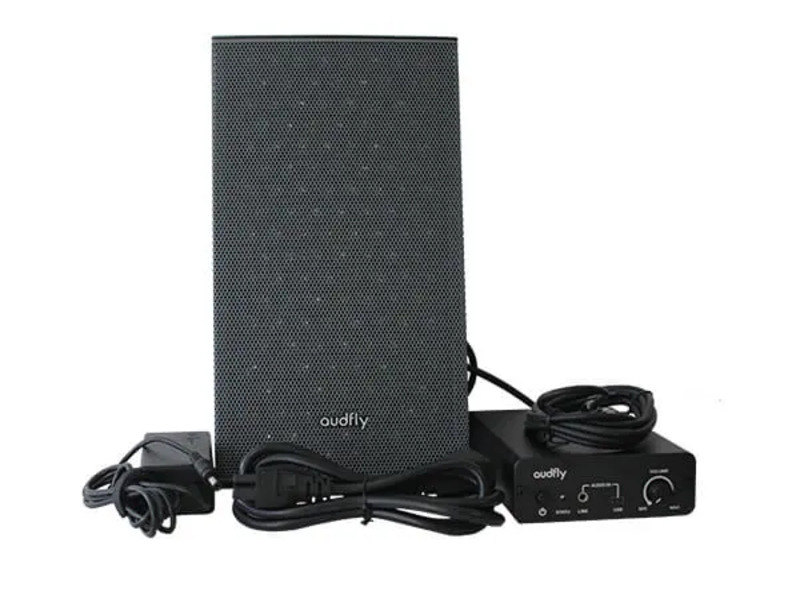
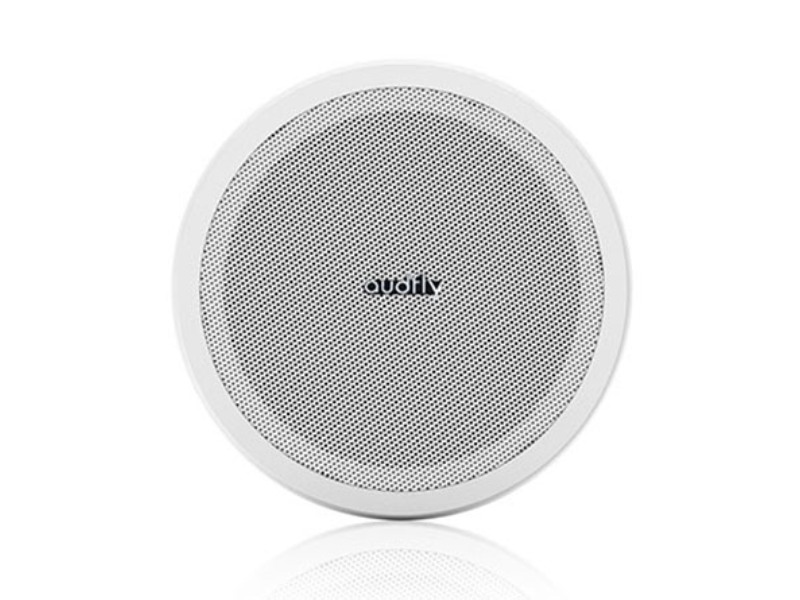
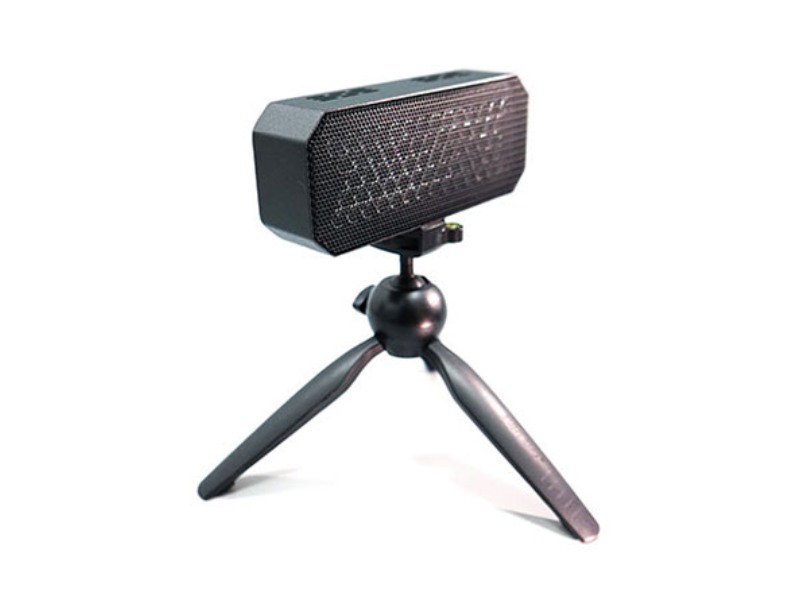
In audio technology, a Target Speaker (also known as a parametric speaker or directional speaker) is a loudspeaker that directs sound toward a specific area while minimizing sound spillover. It creates a narrow sound beam similar to a spotlight.
It is widely used in museums, retail environments, and exhibitions to deliver precise and controlled audio experiences. This article explains how it works and where it is applied.
A Target Speaker is a loudspeaker that delivers sound in a highly focused and controlled direction, unlike traditional speakers that spread sound widely. This technology is particularly valuable in environments where clear, localized audio is required without disturbing others nearby.
Think of it as a spotlight for sound. Just as a spotlight illuminates a focused area, a Target Speaker projects audio to a defined audience, ensuring messages are heard clearly and only where intended. This makes it ideal for locations such as shopping malls, museums, galleries, airports, and corporate environments.
The rise of Target Speaker technology originates from the need to better manage acoustic environments. Conventional speakers distribute sound widely, which is effective for general broadcasting but not for situations requiring audio precision and privacy. Target Speakers solve this challenge by combining innovation, efficiency, and directional sound control.
To achieve this effect, Target Speakers often use technologies such as:
These methods narrow the sound field so only the intended listeners receive the audio, while those outside the zone experience minimal interference.
From a business perspective, this capability offers significant advantages. Organizations can leverage Target Speakers for:
By ensuring audio reaches only the right audience, companies improve communication effectiveness and maximize engagement — without contributing to unnecessary background noise. This makes Target Speakers ideal for delivering clear and localized audio in public and commercial environments.
In today's dynamic and ever-evolving business landscape, the ability to effectively manage and control audio environments can be a game-changer. The concept of Target Speaker Technology has emerged as a pivotal element in achieving this goal. But why is it so crucial to grasp this technology? Let's delve into the significance of understanding Target Speaker technology and its profound impact on various industries.
First and foremost, understanding Target Speaker Technology enables businesses to enhance their customer engagement strategies. In retail environments, for instance, deploying Target Speakers can create immersive shopping experiences by delivering personalized audio messages directly to potential customers. Imagine walking through a store and receiving tailored promotions or product information precisely as you pass by a relevant section. This targeted audio delivery not only grabs attention but also drives purchasing decisions, leading to increased sales and customer satisfaction.
In addition to improving customer experiences, Target Speaker Technology is instrumental in optimizing operational efficiencies. Consider large public venues such as airports or train stations where clear, directional announcements are critical. With Target Speakers, these facilities can minimize noise pollution and ensure that only the intended recipients hear the necessary information, enhancing the overall travel experience and reducing confusion. This precise audio control translates into smoother operations and better crowd management.
Moreover, from a marketing perspective, Target Speaker Technology provides a unique opportunity for businesses to differentiate themselves in a competitive market. By understanding and leveraging this technology, companies can craft compelling audio campaigns that resonate with specific audiences. For instance, in a trade show or exhibition setting, targeted audio can be used to attract visitors to a particular booth or highlight key messages in a cluttered environment. This targeted approach ensures that marketing efforts are not only seen but heard by the right people at the right time.
From an environmental standpoint, Target Speaker Technology also contributes to noise pollution reduction. In urban areas where noise control is a significant concern, the ability to direct sound specifically to targeted zones minimizes unnecessary sound leakage into surrounding areas. This not only creates a more pleasant and productive environment but also aligns with broader sustainability goals by reducing overall noise levels.
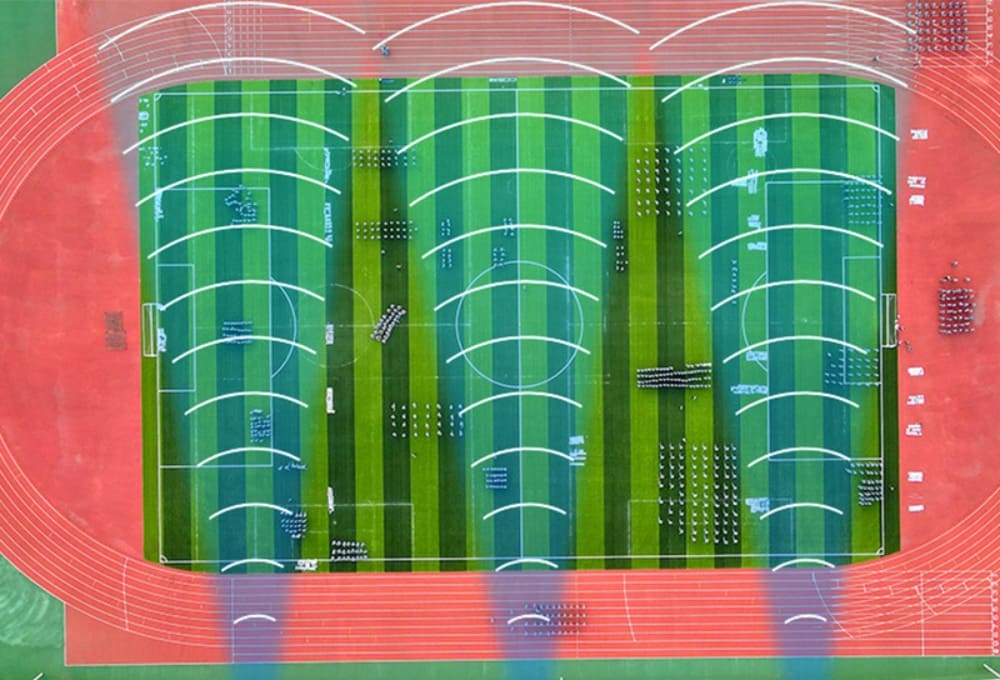
A Target Speaker works by controlling the direction of sound so that audio is delivered to a specific area instead of spreading widely like a traditional speaker.
This allows sound to be heard clearly by the intended audience while reducing noise in surrounding spaces. This directional effect is achieved through a combination of acoustic design and signal processing techniques that help focus sound into a narrow beam.
By controlling how sound is projected and distributed, Target Speakers ensure that audio remains clear, localized, and consistent even in complex environments.
Overall, the directional audio technology is designed to improve sound directionality, reduce spillover, and deliver audio more precisely to where it is needed.
In the realm of audio technology, understanding the distinctions between conventional speakers and target speakers is essential for selecting the right system to meet specific needs. While both types of speakers are designed to deliver sound, the way they achieve this and their application contexts differ significantly. Below, we explore the key differences between these two types of speakers, highlighting the advantages and limitations of each.
Conventional speakers typically disperse sound in a broad, omnidirectional manner. This means that the sound waves are emitted in all directions, filling the entire space with audio. This wide dispersion is suitable for applications where sound needs to cover a large area, such as in home theaters, concerts, or general public address systems.
In contrast, target speakers are designed to focus sound in a specific direction or area, much like a spotlight focuses light. This focused dispersion allows for precise audio delivery, targeting only the intended listeners and minimizing sound spill into surrounding areas. This makes target speakers ideal for environments where controlling sound is crucial, such as in museums, retail stores, or public transportation hubs.
This technology is useful in various scenarios, such as museums, retail spaces, or public announcement systems, where specific zones need to be addressed without disturbing other areas.
Conventional speakers are versatile and can be used in a wide range of settings, from personal entertainment systems to large-scale public events. Their broad sound dispersion makes them effective for creating immersive audio experiences in environments where uniform sound coverage is desired.
On the other hand, target speakers are more specialized and are typically employed in scenarios that require targeted audio delivery. This includes applications like directional advertising, where audio messages are directed at specific individuals, or in educational settings where audio content needs to be focused on a particular group of listeners without disturbing others.
While conventional speakers provide good overall sound quality, their omnidirectional nature can lead to issues such as echo, reverberation, and sound overlap, especially in acoustically challenging environments. This can sometimes result in reduced clarity and intelligibility of the audio, particularly in large or noisy spaces.
In contrast, target speakers offer enhanced sound clarity by focusing audio directly to the desired location, reducing interference and background noise. This focused approach ensures that the sound is clear and intelligible for the intended audience, even in complex acoustic environments.
Conventional speakers are generally easier to install and maintain due to their straightforward design and wide availability. They can be mounted in various configurations to suit different spaces and do not require specialized equipment or complex setups.
In contrast, target speakers often require more precise installation to ensure accurate sound targeting. This might involve more complex mounting solutions and calibration to align the audio beams correctly. Additionally, because they use advanced technologies like beamforming and sound mapping, target speakers may require more specialized maintenance and occasional recalibration to maintain optimal performance.
The cost of conventional speakers can vary widely depending on the quality and brand, but they are generally more affordable than target speakers. Their widespread availability and lower production costs contribute to their affordability, making them a practical choice for general audio applications.
Conversely, target speakers tend to be more expensive due to their advanced technology and specialized design. The additional cost is justified by their ability to deliver precise and focused audio, which can lead to better user experiences and more effective sound management in specific applications. For businesses that require targeted sound solutions, the investment in target speakers can result in significant benefits and cost savings in the long run.
One of the key advantages of target speakers over conventional speakers is their ability to control noise and provide privacy. Because target speakers direct sound precisely where it is needed, they can significantly reduce noise pollution in environments where maintaining a quiet atmosphere is important, such as in libraries, offices, and healthcare facilities.
Conventional speakers, with their broader sound dispersion, are less effective in controlling noise and ensuring privacy. The sound they produce can easily spill over into unintended areas, which may lead to disturbances and reduced sound quality. In environments where privacy and noise control are critical, target speakers offer a more effective solution.
Target speakers direct sound by controlling how sound waves travel through space, allowing audio to be focused into a defined listening area instead of spreading widely.
Acoustic components such as waveguides or acoustic lenses are commonly used to shape and guide sound waves. These structures help narrow the spread of sound and maintain its direction over distance, improving clarity within the intended listening zone.
There are several technological approaches to directing sound beams, each with its unique advantages and applications. Below are some of the most notable variants:
In some systems, signal control techniques such as beamforming are used to adjust how sound waves combine. By coordinating multiple sound sources, audio can be directed toward specific areas without physically moving the speaker.
Certain directional speakers use ultrasonic technology to generate highly focused sound beams. In these systems, ultrasonic waves interact in the air to produce audible sound that is heard only within a narrow listening path.
Overall, sound beam direction is achieved through a combination of acoustic design and signal control methods that help concentrate audio energy into specific locations while reducing unwanted sound spread.
Target speakers can be implemented using different technical approaches depending on the required level of sound directionality, range, and audio clarity. The most commonly used types are outlined below.
Directional speaker arrays use multiple speaker elements arranged in a specific configuration to control how sound waves combine. By adjusting the timing and output of each element, sound can be directed toward a defined listening area.
This approach is widely used in public spaces, exhibitions, and commercial environments where flexible sound direction and consistent coverage are required.
Parametric speakers use ultrasonic carriers to generate highly focused audible sound. In these systems, ultrasonic waves interact in the air to produce directional audio that can be heard clearly within a narrow listening zone.
Parametric technology is known for producing very narrow sound beams, making it suitable for applications that require highly localized audio delivery.
Some target speakers combine multiple acoustic and signal-processing methods to balance sound quality and directionality. These hybrid designs may integrate acoustic shaping structures with digital signal control to improve listening comfort while maintaining directional performance.
Overall, different types of target speakers are designed to meet varying application needs, ranging from moderate sound direction to highly focused audio delivery.
Target speakers are increasingly integrated into smart devices and system-level solutions to improve sound control and user interaction. Rather than serving as standalone speakers, they are often embedded into equipment where directional sound delivery provides functional advantages.
Smart devices such as interactive displays, self-service kiosks, and voice-enabled terminals are adopting target speaker technology to deliver focused audio directly to users.
By directing sound to specific listening areas, these devices can provide clear instructions, voice feedback, or audio content without disturbing surrounding users. This makes directional audio particularly useful in environments where multiple devices operate simultaneously within shared spaces.
Target speakers can also be integrated into larger systems such as digital signage, exhibition displays, and information terminals. In these setups, directional audio helps deliver location-specific messages while maintaining overall acoustic comfort in the surrounding environment.
This type of integration supports efficient communication, improves user interaction, and enables more controlled audio delivery in complex environments.
Target speakers are revolutionizing the way sound is used in retail environments, providing a powerful tool for enhancing customer engagement and improving the overall shopping experience. This chapter explores the diverse applications of target speakers in retail settings, as well as their use in public spaces and museums.
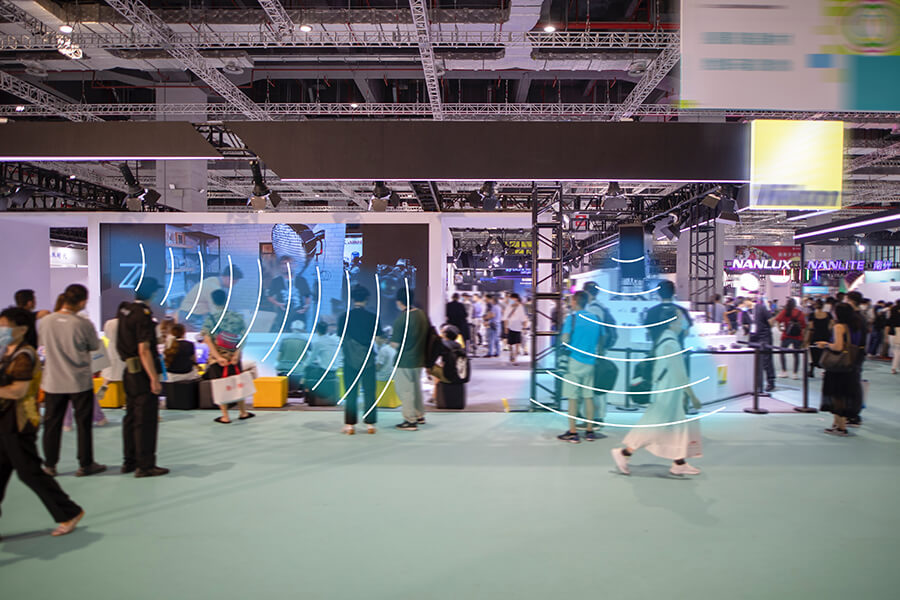
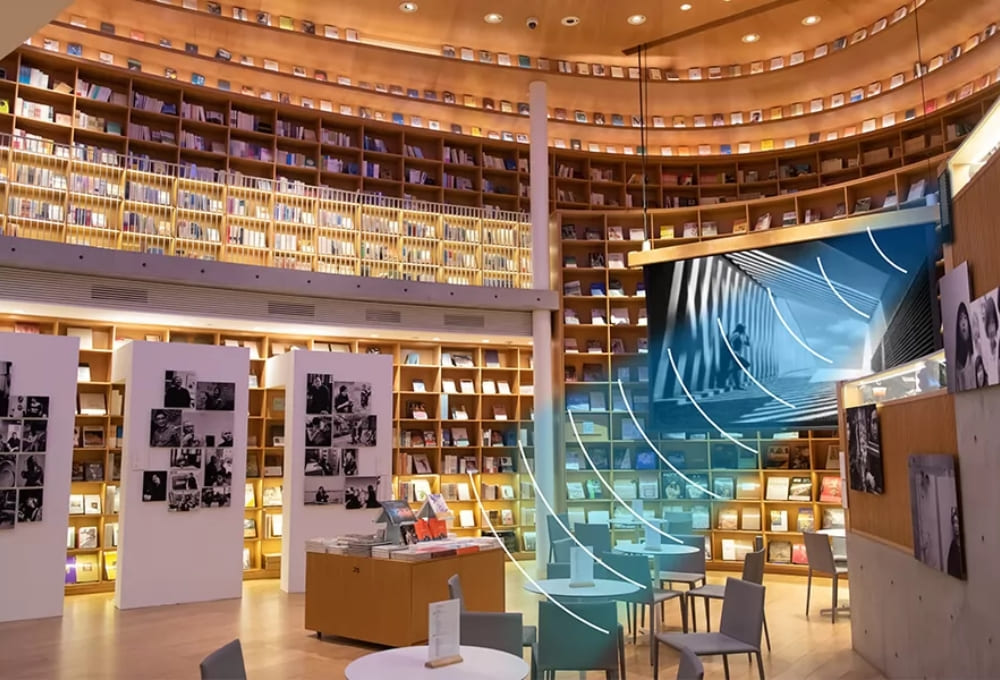
In public spaces such as museums, airports, and shopping malls, clear and directed sound is essential for delivering information effectively and enhancing the visitor experience. Target speakers provide a solution that allows sound to be directed precisely where it’s needed, without causing disturbances in other areas. This focused approach ensures that messages are clearly heard and understood by the intended audience, while minimizing noise pollution and interference.
For instance, in a museum, target speakers can be used to provide audio guides that are only audible to visitors standing directly in front of a specific exhibit. This allows for a more immersive and engaging experience, as visitors can receive detailed information about the exhibits without being distracted by noise from other parts of the museum. Similarly, in public spaces like airports, target speakers can be used to deliver important announcements or information to travelers in a specific area, such as a boarding gate or baggage claim, without disrupting the entire terminal.
In retail environments, target speakers can significantly enhance customer engagement by delivering personalized audio messages and promotions. By directing sound beams to specific areas, retailers can create targeted audio zones that provide customers with relevant information and promotions based on their location within the store. This personalized approach not only improves the shopping experience but also increases the likelihood of making a sale.
For example, a target speaker placed near a product display can provide detailed information about the product, its features, and any ongoing promotions. This focused audio delivery ensures that the message reaches the right audience at the right time, enhancing the customer’s understanding of the product and encouraging them to make a purchase. Additionally, target speakers can be used to create immersive audio experiences, such as themed soundscapes or background music, that enhance the overall ambiance of the store and make shopping more enjoyable.
Target speakers also play a crucial role in delivering information clearly and effectively in retail environments. By focusing sound beams on specific areas, retailers can ensure that important messages, such as safety announcements or special offers, are heard clearly by customers. This not only improves the overall communication within the store but also enhances the efficiency of information delivery, ensuring that customers receive the information they need quickly and accurately.
Target speakers are designed to deliver sound in a highly focused direction, while traditional speakers disperse audio broadly across an entire space.
Traditional speakers spread sound in all directions, which is suitable for general audio coverage such as home entertainment or public broadcasting. However, this wide dispersion can lead to sound overlap, noise spillover, and reduced clarity in complex environments.
In contrast, target speakers concentrate audio into a narrow, controlled beam, allowing sound to be delivered only to a specific listening area. This makes them ideal for environments where precise audio delivery and noise control are required, such as museums, retail displays, exhibitions, and public information zones.
From a practical perspective, target speakers provide better control over where sound is heard, while traditional speakers are better suited for general-purpose, room-filling audio applications.
Selecting the right target speaker for your needs is a critical decision that can significantly impact the effectiveness of your audio delivery. With a variety of options available in the market, understanding the key factors to consider is essential for making an informed choice. This chapter will guide you through the most important aspects to consider when choosing a target speaker, ensuring you select the best solution for your specific application.
The first step in choosing the right target speaker is to clearly define your application requirements. Consider the environment in which the speaker will be used, the size of the area you need to cover, and the type of audience you are targeting. Different applications may have varying demands in terms of sound quality, directionality, and coverage area.
For instance, a target speaker for a museum exhibit may need to focus sound on a small, specific area to provide detailed information to visitors standing directly in front of the display. On the other hand, a target speaker for a retail environment may need to cover a larger area with promotional messages or background music. By understanding your application needs, you can narrow down the options and choose a speaker that meets your specific requirements.
When evaluating target speakers, it's important to consider several key features that can affect performance and usability. These include:
Budget is always a crucial factor when selecting audio equipment. While it may be tempting to choose the cheapest option, it's important to balance cost with performance and reliability. Higher-end target speakers often offer better sound quality, more advanced features, and greater durability, which can provide better long-term value. However, there are also cost-effective options available that can meet your needs without compromising on essential features.
Consider the total cost of ownership, including initial purchase price, installation costs, and ongoing maintenance. Investing in a high-quality target speaker can reduce the need for frequent replacements or repairs, saving you money in the long run. Evaluate your budget carefully and prioritize features that are most important for your application.
When choosing a target speaker, it's also important to consider the reputation of the vendor and the level of support they provide. Look for vendors with a proven track record of delivering high-quality audio products and excellent customer service. Check for reviews, testimonials, and case studies to gauge customer satisfaction and product performance.
Additionally, ensure that the vendor offers adequate technical support and after-sales service. Reliable support can be invaluable in resolving any issues that arise and ensuring the long-term performance of your target speaker. Consider vendors that offer warranties and support packages that provide peace of mind and protect your investment.
To make an informed decision, take the time to compare different target speaker models and assess how they meet your specific requirements. Look for product demonstrations, specifications, and performance data to evaluate the capabilities of each option. Consider reaching out to vendors for additional information or to request a trial or demo unit.
By carefully considering your application needs, key features, budget, and vendor reputation, you can choose the right target speaker that delivers optimal performance and value. Whether you're enhancing a retail environment, creating an immersive exhibit, or providing clear communication in a public space, selecting the right target speaker is essential for achieving your audio goals.
In conclusion, target speakers represent a leap forward in audio technology, offering unmatched precision and versatility. Whether for enhancing customer experiences in retail or creating immersive environments in museums, Audfly leads the way with state-of-the-art solutions. Visit Audfly to explore our range of target speakers and revolutionize your audio experience today.
Read More:


.png)
.png)





.png)
.png)
.png)


.png)


.png)