.png)
Tel: +86-13761027061

E-mail: contactus@audfly.com

.png)


.png)
Audio spotlight speaker technology is a focused audio technology designed to deliver sound to a specific area or listener while reducing unwanted sound in surrounding spaces. By using ultrasonic waves, modulation, and parametric acoustic principles, an Audio Spotlight system can create highly directional and localized sound. This article explains how audio spotlight speaker technology works, the role of ultrasonic waves, its key benefits, applications, and how it relates to modern directional audio systems.
Audio spotlight speaker technology refers to a focused audio approach that directs sound toward a defined listening area instead of distributing it broadly throughout an entire space. It is commonly associated with highly directional sound systems that can create a localized listening zone for a specific person, display, screen, or area.
Unlike conventional loudspeakers that are designed to fill a room with sound, audio spotlight speaker technology focuses acoustic energy toward a target area. This makes it useful in environments where different audio content needs to be delivered to different locations without creating excessive sound overlap.
Audio spotlight speaker technology can therefore be considered as part of the broader field of directional audio and focused sound technology. For a more detailed explanation of the speaker itself, see our guide to What Is an Audio Spotlight Speaker?
For B2B applications, this technology can help businesses deliver localized information, advertising, instructions, or immersive audio while reducing unnecessary sound in surrounding areas.
Audio spotlight speaker technology relies on the controlled generation and projection of ultrasonic sound waves. The audio signal is processed and modulated onto an ultrasonic carrier before being emitted through a specialized transducer or transducer array.
Because ultrasonic waves have much shorter wavelengths than audible sound, they can be controlled and directed more precisely. The resulting ultrasonic beam can maintain a relatively narrow propagation pattern compared with conventional audible sound.
As the modulated ultrasonic waves travel through the air, nonlinear interactions in the propagation medium produce audible components. This process is commonly described in terms of self-demodulation and the parametric acoustic effect.
The result is focused audio that can be aimed toward a particular listening zone. The actual performance of a directional audio system depends on factors such as transducer design, acoustic configuration, operating distance, beam width, installation position, and environmental conditions.
Ultrasonic waves are sound waves above the typical upper limit of human hearing, generally above 20 kHz. In Audio Spotlight systems, ultrasonic waves are used as a carrier for the audio signal and play an important role in creating a highly focused acoustic beam.
The short wavelength of ultrasonic waves allows the transducer array to control the direction of acoustic energy more effectively. This is one of the fundamental reasons why ultrasonic technology is widely used in parametric and highly directional audio systems.
The ultrasonic carrier itself is not intended to be heard as ordinary audible sound. Instead, the system uses modulation and nonlinear acoustic effects to generate audible sound within or around the intended propagation path.
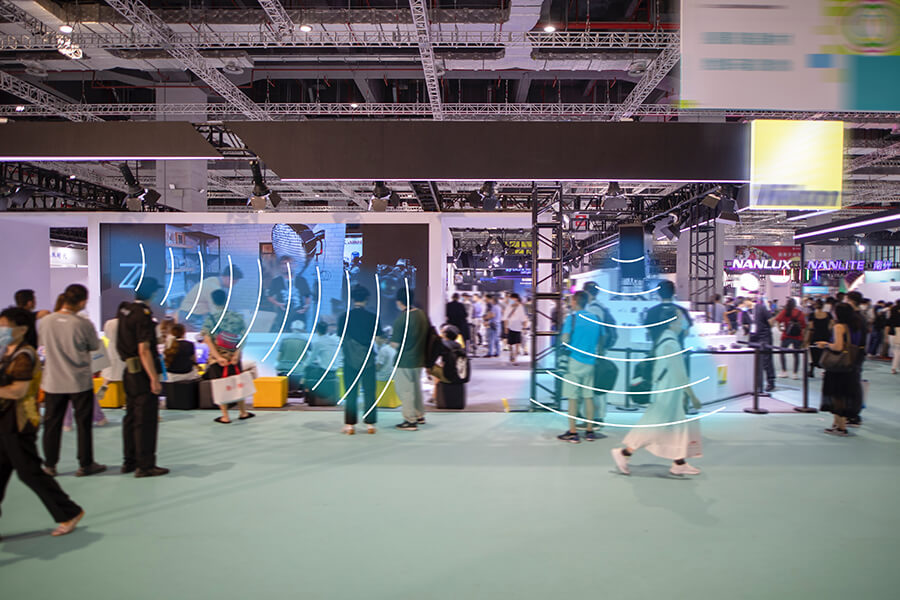
This technology enables applications where sound needs to be concentrated in a specific area, such as museum exhibits, digital signage, retail displays, information kiosks, exhibitions, and other environments where localized audio is important.
The parametric acoustic effect is one of the key principles behind many highly directional audio systems. It is based on nonlinear interactions that occur when intense ultrasonic waves propagate through air.
In a typical parametric audio system, an audible audio signal modulates an ultrasonic carrier. The transducer array then projects the modulated ultrasonic signal into the air. Through nonlinear interaction during propagation, audible frequency components can be generated from the modulated ultrasonic signal.
This acoustic principle makes it possible to produce a much more focused sound field than many conventional loudspeaker configurations. As a result, parametric speaker technology is often used when sound needs to be localized rather than broadly distributed.
The terms Audio Spotlight, directional audio, and parametric speaker are therefore closely related when discussing focused sound. They can describe different aspects of a directional audio solution rather than completely separate categories.
An Audio Spotlight or parametric audio system combines acoustic and electronic components to generate and control focused sound. The exact design varies between products, but several components are commonly involved.
Ultrasonic Transducer: The transducer converts electrical signals into ultrasonic acoustic energy. A carefully designed transducer array helps control the direction and distribution of the ultrasonic beam.
Audio Modulation System: The audio signal is processed and modulated onto an ultrasonic carrier so that it can be transmitted through the directional acoustic system.
Emitter or Transducer Array: The emitter structure determines how ultrasonic energy is distributed and contributes to the resulting beam pattern, coverage, and directionality.
Control Electronics: Electronic control allows the system to manage audio input, output level, signal processing, and other performance parameters.
Power Supply: The power system provides the energy required for the transducers and electronic components to operate reliably.
Together, these components allow a directional audio system to transform a standard audio signal into a controlled and highly focused sound field.
The main value of audio spotlight speaker technology is its ability to place sound where it is needed while reducing unnecessary sound distribution. This makes focused audio useful for many professional and commercial environments.
Focused audio allows information, instructions, advertising, or multimedia content to be directed toward a specific listening zone. This is particularly useful when multiple audio sources need to operate within the same physical space.
By concentrating sound toward a target area, directional audio systems can help reduce unnecessary sound in surrounding spaces. This can be valuable in environments where controlling sound spill is an important part of the overall acoustic design.
Compact directional speakers can be integrated with displays, kiosks, digital signage, museum exhibits, retail fixtures, and other installations where conventional loudspeakers may be visually or acoustically unsuitable.
Focused sound can create localized listening zones that make audio content feel more personal and immersive. This approach can be particularly effective in exhibitions, interactive displays, educational environments, and commercial spaces.
Because audio spotlight speaker technology can create localized sound zones, it is particularly suitable for professional environments where sound needs to be delivered precisely. Common applications include:
Museums can use focused audio to provide narration, exhibit information, or multimedia content directly near individual displays. Multiple exhibits can operate with different audio tracks while reducing interference between neighboring listening areas.
Directional audio can complement digital signage, interactive kiosks, and information terminals by delivering audio content to users standing near a specific screen without broadcasting the same content throughout the surrounding area.
Retail environments can use focused audio for product information, promotional messages, interactive displays, and localized customer experiences. The targeted nature of the sound can help avoid unnecessary background audio across the entire store.
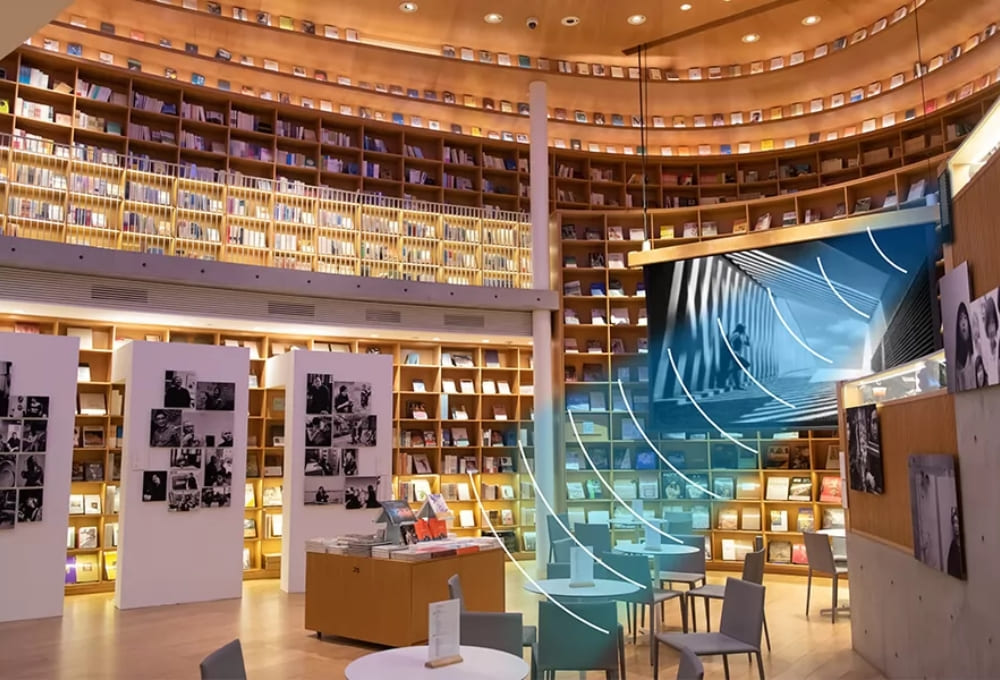
In libraries and other quiet environments, directional audio can provide information or media content while helping maintain a quieter atmosphere outside the intended listening area.
Educational displays, language-learning systems, interactive exhibits, and other learning environments can use focused audio to provide content to a defined listener or group without unnecessarily increasing the sound level throughout the room.
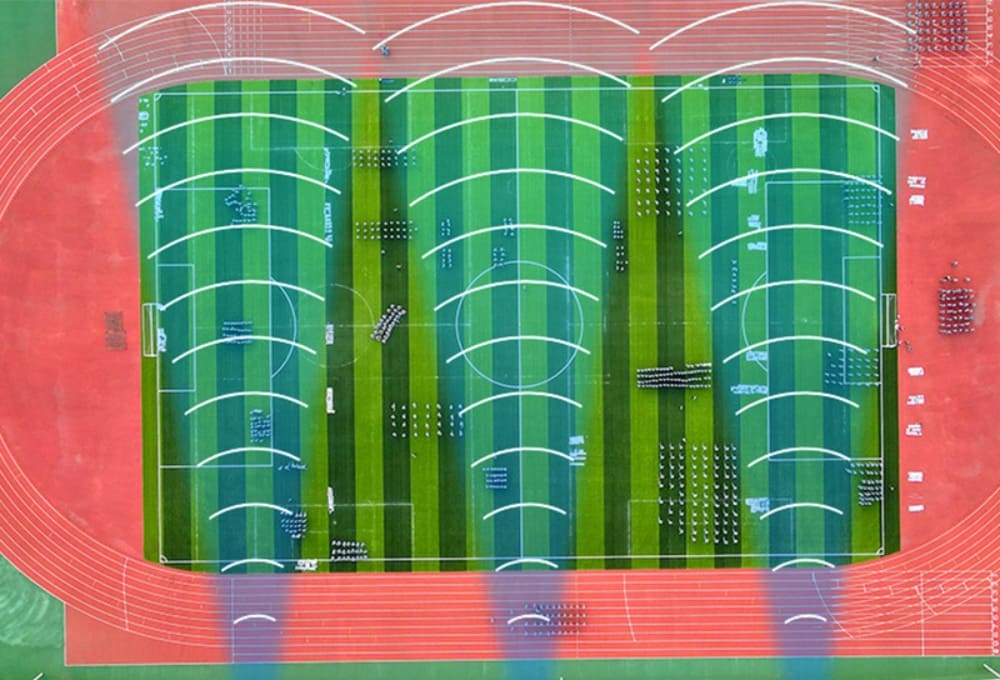
Directional audio can also be used with outdoor displays, billboards, transportation areas, and public information systems where audio needs to be directed toward a particular zone.
Audio spotlight speaker technology is closely associated with directional audio because both focus on controlling where sound is delivered. The term directional speaker is broader and can describe different technologies and speaker configurations designed to control sound dispersion.
Parametric speakers are one important technology used to create highly directional sound. They commonly use ultrasonic carriers and nonlinear acoustic effects to achieve a narrow sound field. Other directional speaker systems may use different acoustic designs, such as speaker arrays or other methods of beam control.
Therefore, audio spotlight speaker technology should not be viewed as completely separate from directional audio. Instead, it can be understood as a focused audio approach within the broader field of directional sound technology.
If you are specifically researching the speaker product itself, our guide What Is an Audio Spotlight Speaker? explains the definition, working principle, applications, and selection considerations in more detail.
Choosing a focused audio system requires more than simply comparing speaker specifications. The acoustic environment, target listening area, installation position, required coverage, and application should all be considered before selecting a solution.
Determine where the sound needs to be heard and how large the intended listening area is. A small interactive display may require a different solution from a large exhibition, retail area, or outdoor installation.
Consider how much unwanted sound can be tolerated outside the target area. Applications in museums, libraries, exhibitions, and quiet commercial environments may require tighter control of sound distribution.
Beam width, working distance, mounting height, installation angle, and listening position can all affect the performance of a focused audio system. These parameters should be evaluated according to the actual installation environment.
The system should be compatible with the existing audio source and control equipment. For commercial installations, integration with displays, media players, control systems, and other equipment may also be important.
For professional projects, working with an experienced directional audio manufacturer can help determine the appropriate speaker type, installation position, beam coverage, and system configuration for the application.
Audio spotlight speaker technology is a focused audio approach that directs sound toward a specific listening area. Many Audio Spotlight and parametric audio systems use ultrasonic waves and nonlinear acoustic principles to create highly directional sound.
The system typically modulates an audio signal onto an ultrasonic carrier and projects the signal through an ultrasonic transducer or array. Nonlinear interactions in air generate audible components, allowing the sound to be concentrated toward a target area.
Yes. Audio spotlight speaker technology is closely associated with highly directional and focused audio. Directional speaker is a broader term that can include several different technologies and acoustic configurations.
The terms are closely related but do not necessarily describe exactly the same thing. A parametric speaker generally refers to a speaker technology that uses ultrasonic carriers and nonlinear acoustic effects to produce highly directional sound. Audio Spotlight is commonly used to describe a focused audio approach or system.
Common applications include museums, exhibitions, digital signage, interactive kiosks, retail environments, libraries, educational displays, public information systems, and other locations where localized sound is required.
The main benefits include localized sound delivery, improved control over sound distribution, reduced unwanted sound in surrounding areas, and the ability to create personalized or interactive listening experiences.
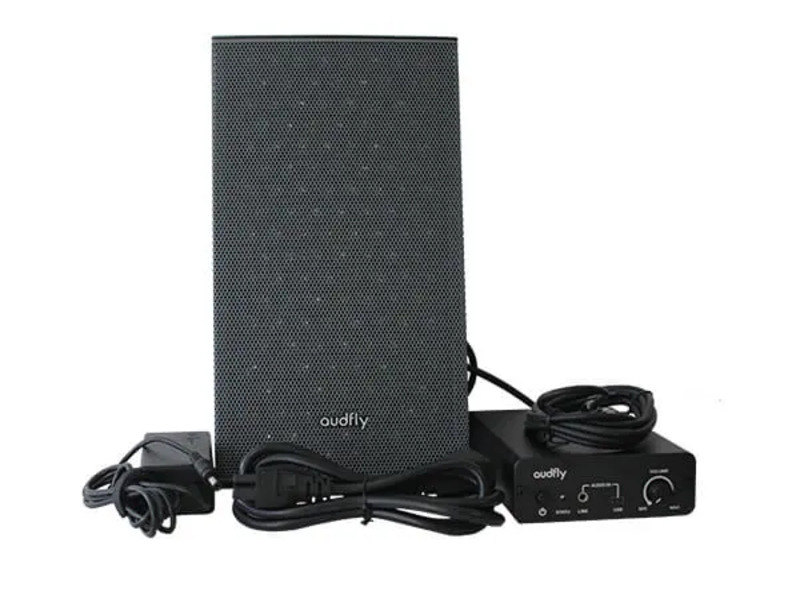
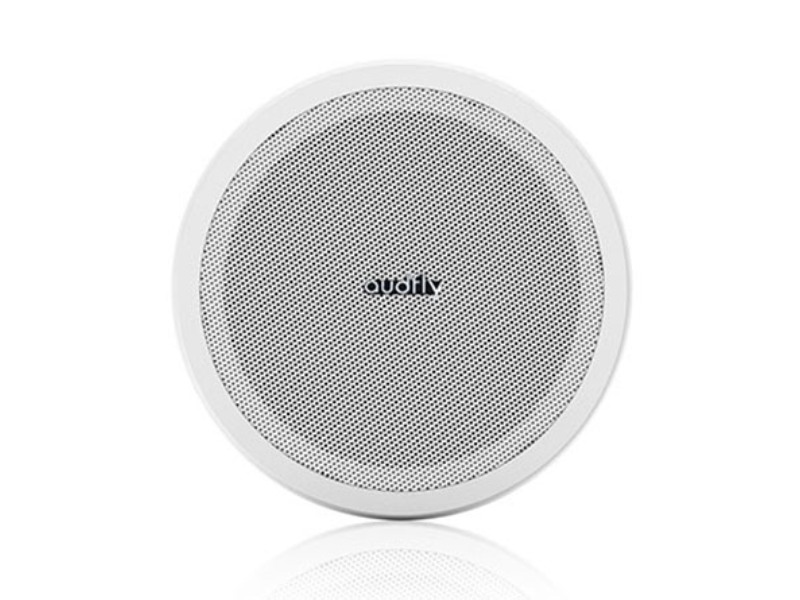
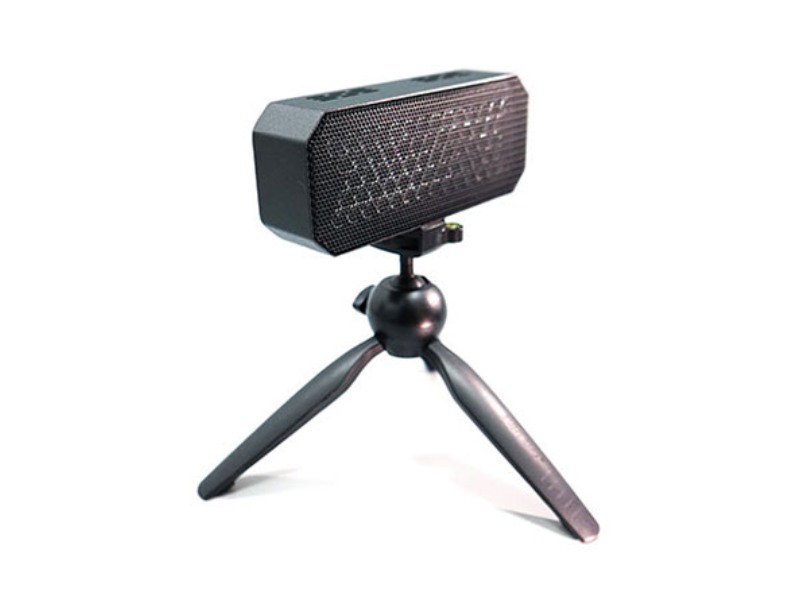
Audfly develops directional audio solutions for applications that require controlled and localized sound. Its product portfolio includes indoor directional speakers, outdoor directional speakers, parametric speaker solutions, and custom directional audio systems.
Depending on the application, Audfly directional audio solutions can be used for museums and galleries, exhibitions, digital signage, kiosks, retail environments, libraries, transportation, outdoor displays, and other professional applications.
If you are planning a project that requires focused sound or localized audio, explore Audfly directional speaker solutions or contact our team to discuss your application requirements.


.png)
.png)





.png)
.png)
.png)


.png)


.png)