Libraries have evolved far beyond traditional book lending. Modern libraries now include multimedia learning zones, digital displays, interactive kiosks, self-service stations, and educational exhibitions. While these technologies enrich the visitor experience, they also introduce a new challenge: how to deliver audio without disturbing nearby readers.
Directional speakers provide an effective solution by delivering focused sound only to the intended listening area, allowing visitors to hear audio clearly while keeping surrounding study spaces quiet.
Why Traditional Speakers Are Not Suitable for Libraries
Libraries are designed to support concentration. Conventional loudspeakers spread sound throughout the room, making them unsuitable for environments where silence is essential.
Common challenges include:
-
Audio from interactive displays distracting nearby readers
-
Multiple multimedia stations creating overlapping sound
-
Difficulties providing audio guidance without headphones
-
Increased background noise affecting the study environment
As libraries continue to adopt digital technologies, managing sound has become just as important as managing space.
How Directional Speakers Solve These Challenges
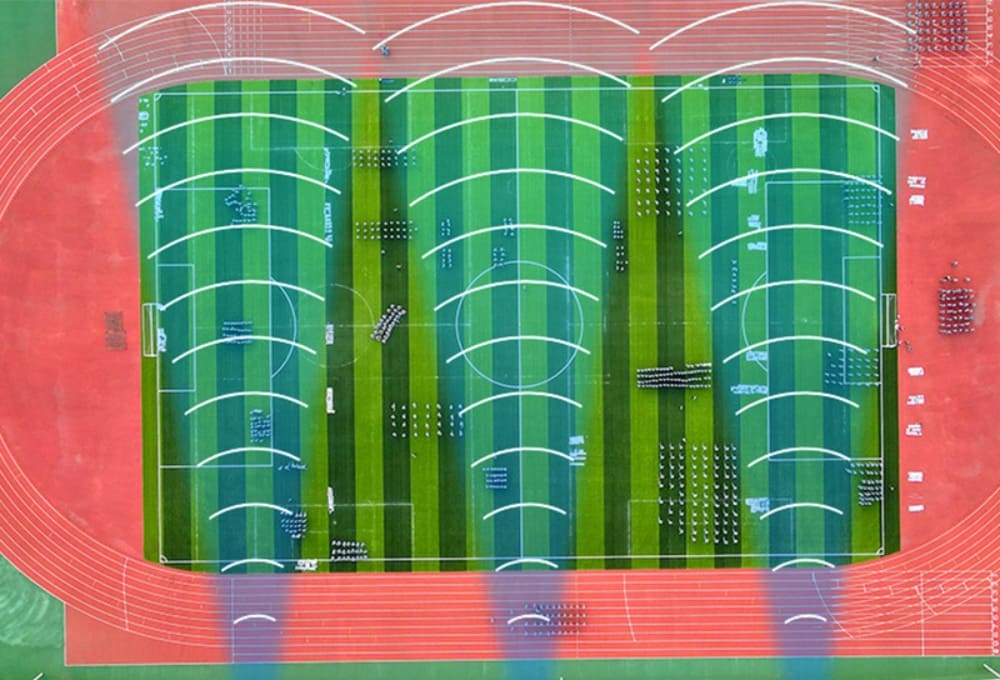
Directional speakers project a highly focused beam of sound instead of broadcasting audio in all directions.
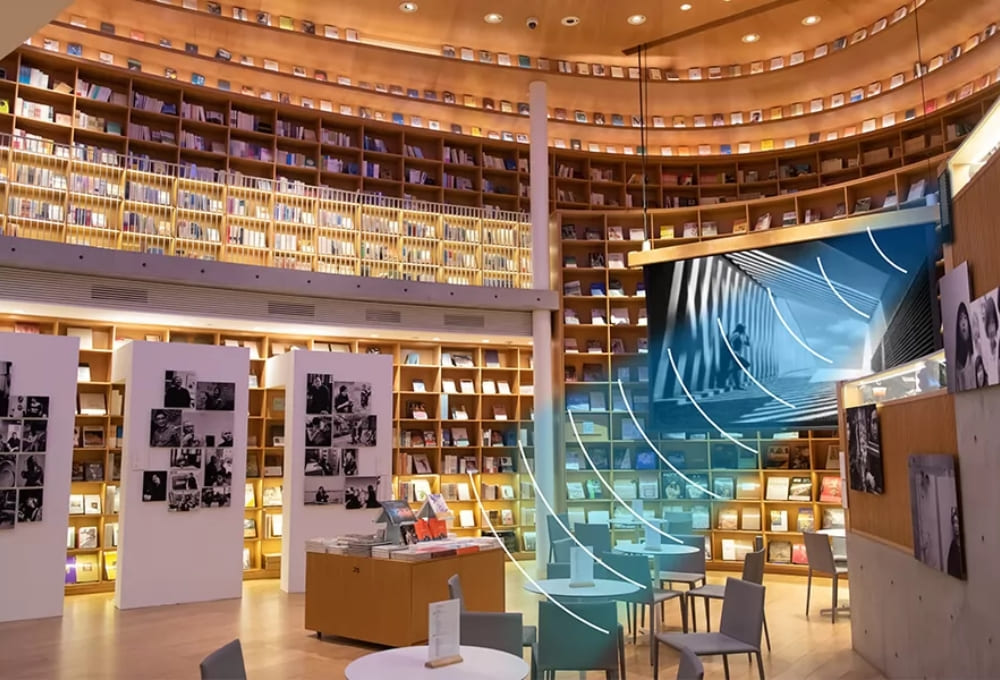
This allows visitors standing in front of a display or kiosk to hear clear audio without disturbing nearby readers, helping libraries maintain a quiet and comfortable study environment.
Typical applications include:
-
Digital information kiosks
-
Interactive learning displays
-
Historical and cultural exhibitions
-
Children's education areas
-
Self-service terminals
-
Multimedia reading stations
This creates independent listening zones without requiring headphones.
Benefits of Using Directional Speakers in Libraries
Maintain a Quiet Reading Environment
Visitors can enjoy multimedia content without disturbing others studying nearby.
Improve Accessibility
Audio instructions and educational content become available without requiring wearable devices.
Support Interactive Learning
Libraries increasingly offer digital exhibits and educational installations. Directional speakers make these experiences more engaging while avoiding noise pollution.
Reduce Equipment Maintenance
Unlike headphone-based systems, directional speakers eliminate concerns about charging, cleaning, storing, or replacing shared devices.
Choosing the Right Directional Speaker for Libraries
Different library spaces require different audio solutions.
|
Library Application |
Recommended Product |
|
Self-service kiosks |
Model B |
|
Digital information displays |
Model B |
|
Interactive learning stations |
Model X2 |
|
Reading areas & multimedia corners |
Model Mini |
|
Children's learning area |
Model Cube 01 |
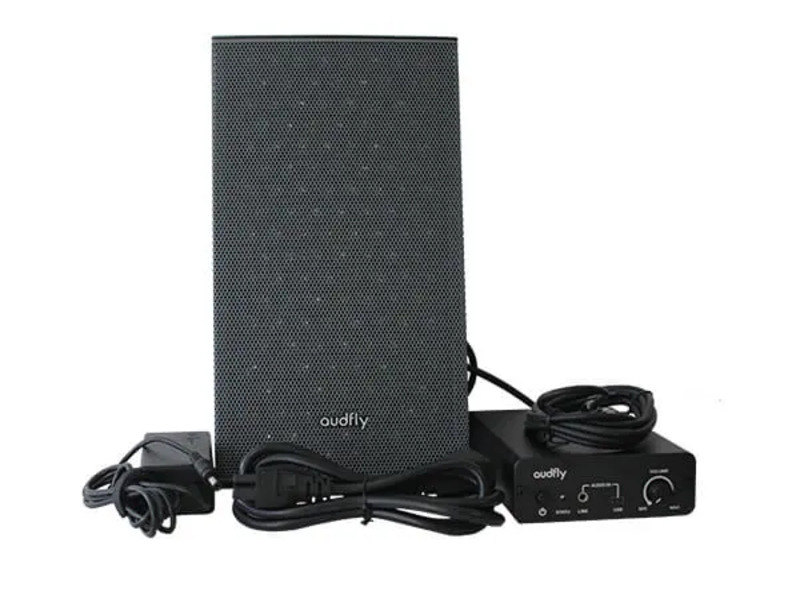
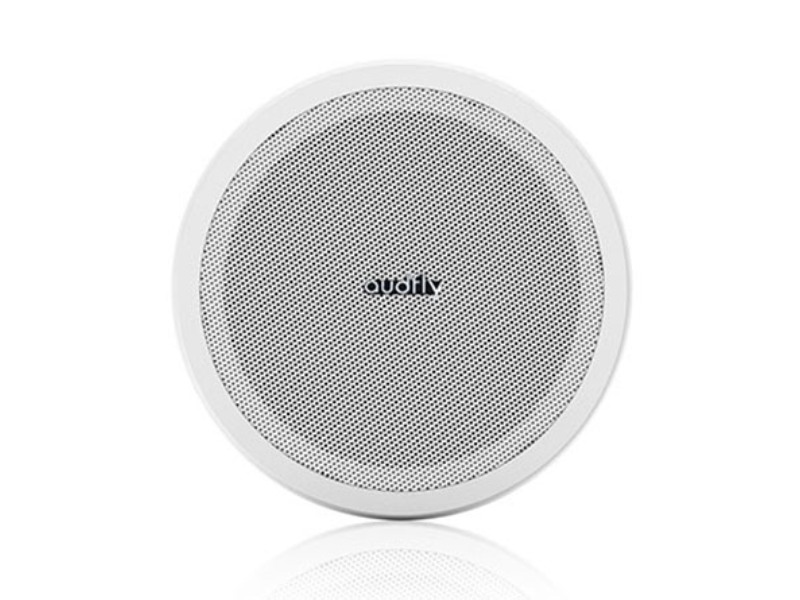
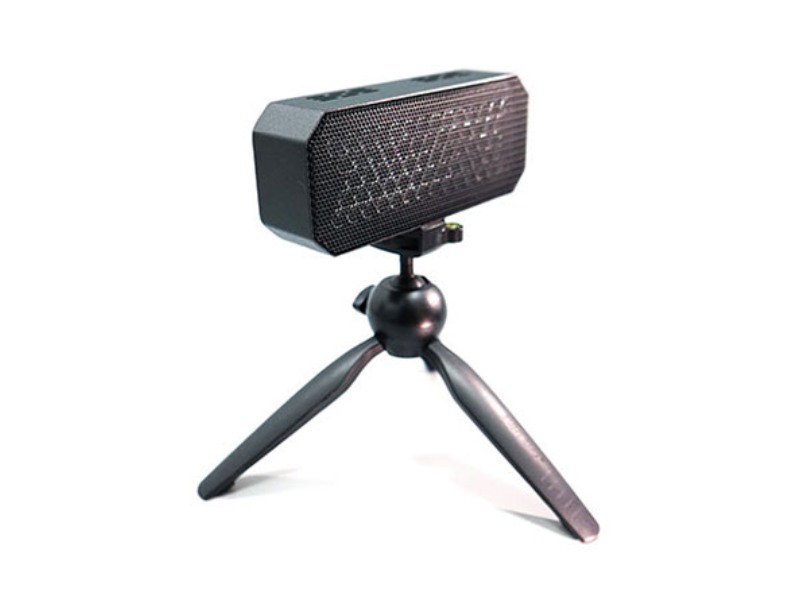
The ideal solution depends on your installation environment, listening distance, coverage requirements, and application scenario. Audfly offers multiple directional speaker models to meet the needs of libraries of different sizes and layouts.
Looking for the right directional speaker for your library project? Explore our complete range of
directional speaker solutions for different installation environments and application requirements.
Why More Libraries Are Adopting Directional Audio
As libraries become smarter and more interactive, the need for personalized audio continues to grow.
Directional speakers allow institutions to deliver multimedia experiences while preserving the quiet atmosphere that visitors expect.
Whether supporting digital learning, self-service technologies, or interactive exhibitions, directional audio provides a practical way to balance innovation with comfort.
Frequently Asked Questions
Can directional speakers be used in public libraries?
Yes. They are widely used in public libraries, university libraries, and educational centers to provide localized audio without increasing overall noise levels.
Do visitors need headphones?
No. Directional speakers create focused listening zones, allowing visitors to hear audio naturally without wearing headphones.
Where can directional speakers be installed?
They can be mounted above digital displays, integrated into kiosks, installed on ceilings, or placed near interactive exhibits depending on the application.
Are directional speakers suitable for children's learning areas?
Yes. They allow educational audio to be delivered to specific activity zones while minimizing sound spill into surrounding reading areas.
Related Resources
Call to Action
Looking for a quieter way to deliver audio in modern libraries? Discover how Audfly directional speaker solutions create focused listening experiences for digital learning, interactive displays, and self-service stations while preserving the quiet atmosphere libraries require.
Explore our products or
contact our team to find the right solution for your project.
.png)


.png)


.png)


.png)
.png)





.png)
.png)
.png)


.png)


.png)