.png)
Tel: +86-13761027061

E-mail: contactus@audfly.com

.png)


.png)
In the world of audio technology, directional audio speakers have emerged as an exciting innovation that offers a unique and immersive sound experience. Unlike traditional speakers that emit sound in all directions, directional audio speakers focus and direct sound waves to specific areas or listeners. In this blog, we will delve into the fascinating world of directional audio speaker technology and explore how it works to create an enhanced audio experience.
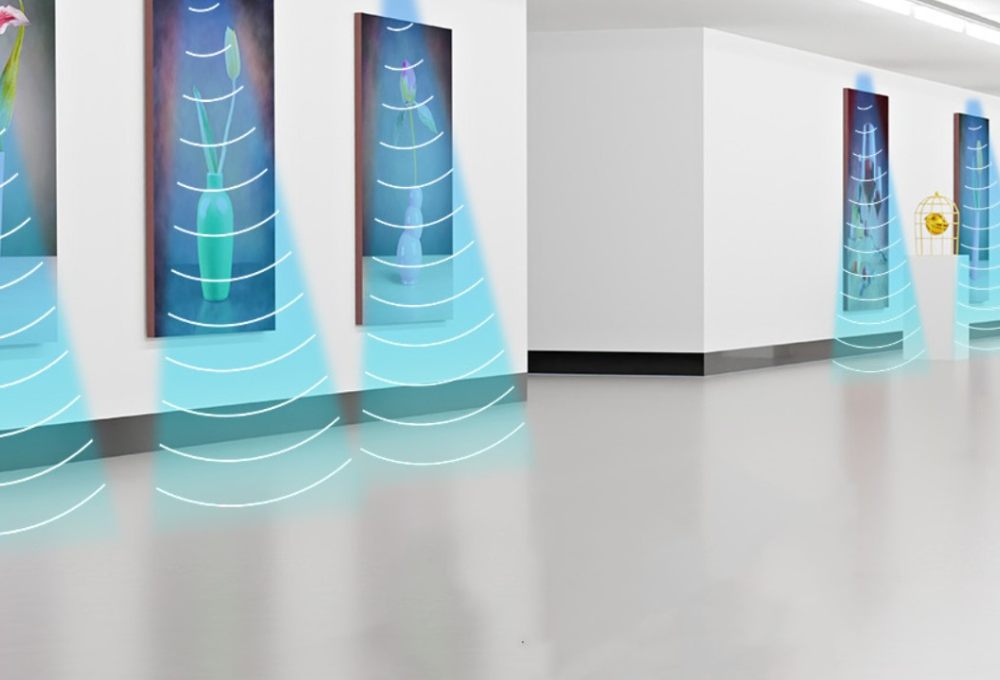
Today, directional audio technology is widely used in museums, retail displays, self-service kiosks, digital signage, and immersive exhibition spaces. As open environments become more interactive, businesses are increasingly looking for focused sound solutions that reduce noise interference while improving user experience.
Introduction to directional speakers and their purpose.
Explanation of the principles behind sound directionality.
Key components and design features of directional audio speakers.
Most modern directional audio systems rely on ultrasonic sound technology or parametric speaker principles to achieve highly focused sound projection. By using ultrasonic carrier waves, directional speakers can transmit audio in a narrow beam, allowing sound to remain concentrated within a specific listening area instead of spreading throughout the entire space.
Different directivity patterns used in directional audio speakers.
Exploring the concept of beamforming and its role in directing sound.
How directional audio speakers create focused sound zones and minimize sound leakage.
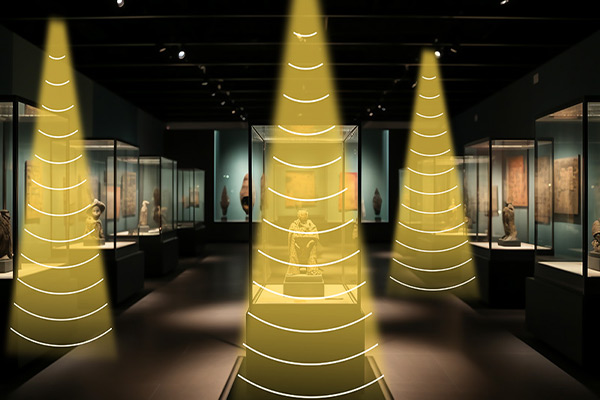
Unlike conventional loudspeakers that disperse audio broadly, directional speakers can create highly controlled sound zones, sometimes referred to as audio spots or sound bubbles. This allows multiple audio experiences to coexist within the same open
environment without causing excessive noise interference.
In commercial environments such as museums, exhibitions, and retail stores, this precise sound control helps improve visitor engagement while maintaining a quieter and more comfortable atmosphere.
Beamforming technology: A sound control technique used to direct audio toward a specific listening area instead of broadcasting sound in all directions.
Steerable arrays: Exploring the use of multiple speakers to achieve precise sound directionality.
Acoustic modeling and signal processing techniques for optimal audio performance.
Recent advancements in directional audio technology have significantly improved sound accuracy, speech intelligibility, and sound control performance. Modern directional audio systems can achieve more precise sound projection and better acoustic consistency across different environments, making focused audio applications more practical for commercial and public spaces.
Directional audio in home entertainment systems and immersive gaming experiences.
Commercial applications in museums, exhibitions, and public spaces.
Accessibility benefits for individuals with hearing impairments.
Directional audio systems are also widely used in retail environments, digital signage networks, self-service kiosks, transportation hubs, libraries, and healthcare facilities. By delivering sound only to targeted listening areas, businesses can provide personalized audio experiences without disturbing surrounding visitors.
This ability to reduce unnecessary noise pollution while maintaining clear communication makes directional speakers particularly valuable in modern open-space environments where multiple audio sources operate simultaneously.
Limitations and challenges faced by directional audio speaker technology.
Current research and advancements in the field.
Potential future applications and trends in directional audio technology.
As interactive environments continue to evolve, directional audio technology is expected to play a larger role in AI voice interaction, smart retail systems, immersive exhibitions, and privacy-focused communication solutions. Future developments may further improve sound precision, energy efficiency, and multi-zone audio control capabilities.
What is directional audio technology?
Directional audio technology focuses sound into a specific listening area instead of broadcasting it in all directions like traditional speakers.
How do directional audio speakers work?
Directional speakers use technologies such as beamforming and ultrasonic sound projection to create focused audio zones with reduced sound leakage.
Where are directional audio speakers commonly used?
Directional audio systems are widely used in museums, exhibitions, retail stores, digital signage, transportation hubs, libraries, and healthcare environments.
Can directional speakers reduce noise pollution?
Yes. By limiting sound dispersion, directional speakers help reduce unnecessary noise interference in shared and open environments.
Directional audio speaker technology has revolutionized the way we experience sound, offering precise control and an immersive audio experience. By understanding the principles and techniques behind directional audio speakers, we can appreciate their impact on various industries and look forward to exciting advancements in the future. Whether for home entertainment, commercial installations, or accessibility purposes, directional audio speakers continue to shape the way we listen and interact with sound.
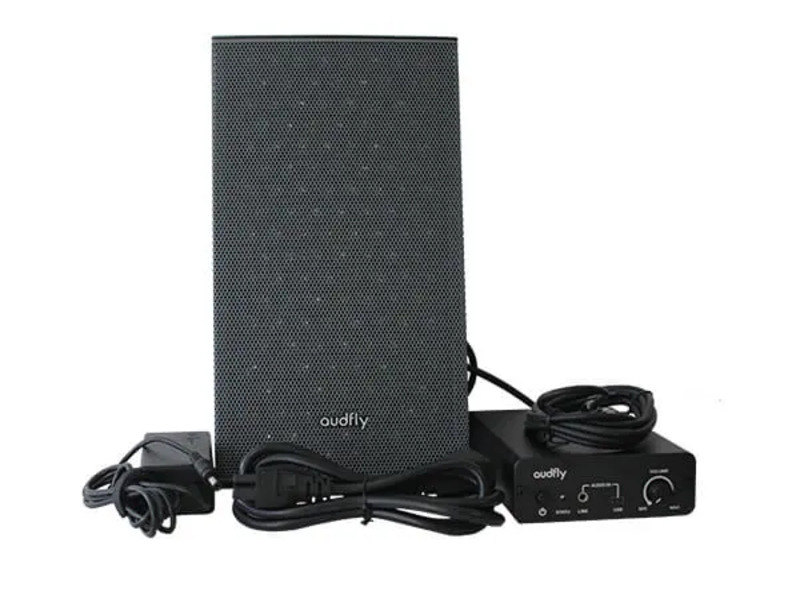
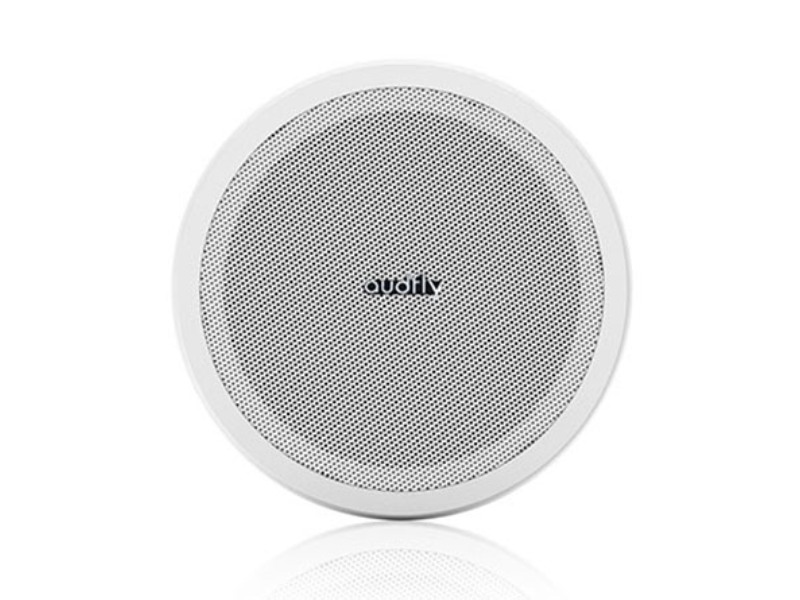
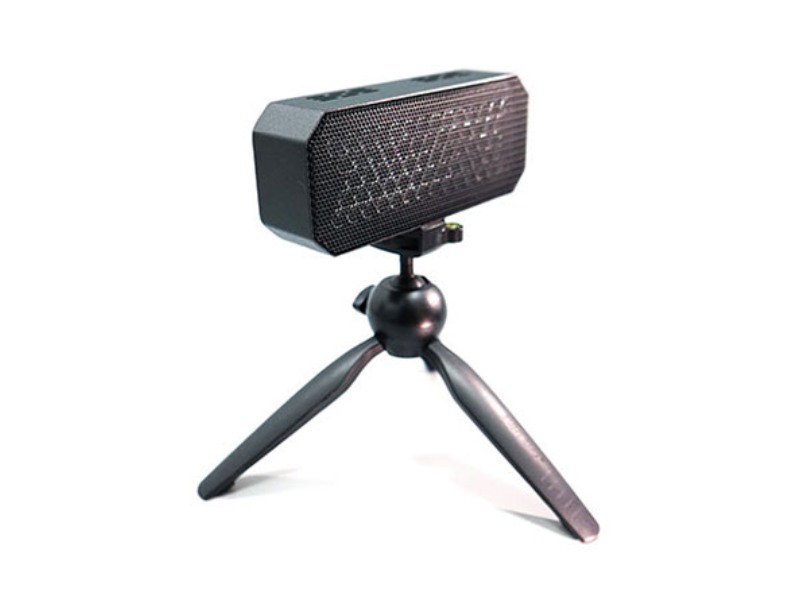
You may also be interested in the following products offered by Audfly Technology:
Directional speakers for museums
Directional speakers for office
Contact us for more help.


.png)
.png)






.png)
.png)
.png)


.png)


.png)